According to an Ipsos Doxa survey commissioned by Miele, a cultural shift towards durability, repairability and efficiency is emerging, redefining the concept of consumption and value in Italian households
Against a backdrop of economic uncertainty, growing attention to sustainability and greater awareness in purchasing decisions, Italians appear to have developed a new approach to consumption: buying less, but buying better.
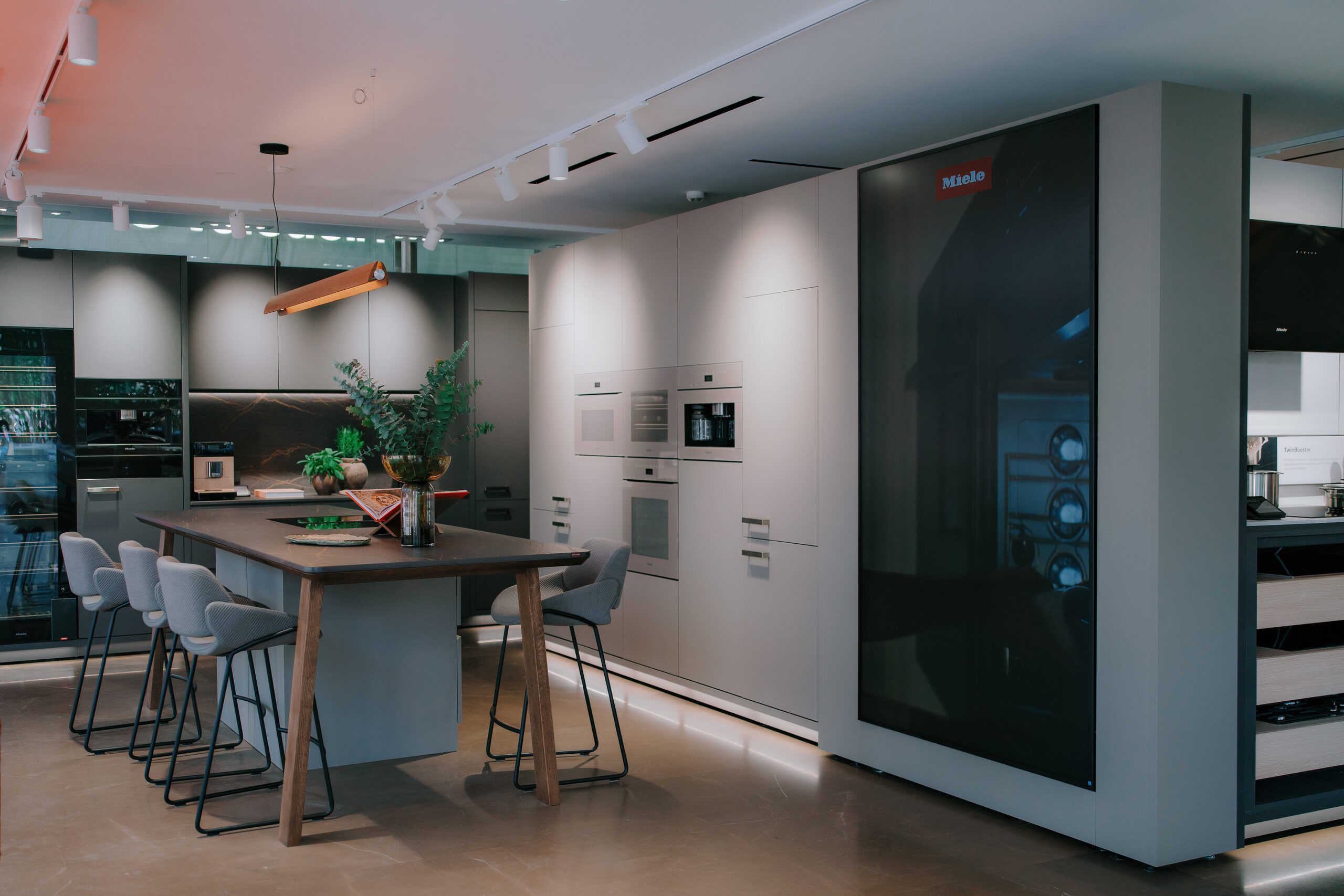
This is according to research conducted by Ipsos Doxa for Miele to mark the inauguration of the company’s new Italian headquarters in Bolzano, in the year when Miele celebrates 65 years of operations in Italy. The survey highlights the emergence of what can be described as the “long-term economy” in the home appliance sector: a cultural model in which product longevity is not perceived merely as a technical feature, but as a key factor in purchasing decisions, sustainability and quality of life. The research also explores the meaning of innovation in the sector and the emotional aspects that connect people to a brand, linking a product to a memory.
From a culture of replacement to a culture of durability
For years, innovation and progress have been associated with the continuous replacement of products, with price remaining an important purchasing driver. Today, however, a different perspective is emerging.
Elisa Reginato, Managing Director of Miele Italia, comments: «The research shows how Italians are redefining the very concept of value. Today, they are not simply looking for innovative products, but for solutions capable of maintaining their performance, reliability and significance over time. According to Italian consumers, a product designed to last represents a smarter, more sustainable and often more cost-effective choice in the long term. Durability is perceived as a factor that helps reduce waste, limit the need for replacement and optimise the relationship between investment and benefits over time. This perspective has always been at the heart of Miele’s Immer Besser principle: creating products designed to last and contributing to a more conscious approach to consumption».
The first finding from the survey provides clear evidence of this shift. Durability is no longer simply an added benefit: it is important to 97% of Italians, while 58% consider it the primary purchasing criterion, rising to 64% among respondents aged 18–34.
The value of home appliances and purchasing drivers
Product longevity, and therefore the value generated over time, actually outweighs price, becoming a decisive factor in product selection. Energy consumption ranks second among purchasing drivers (55%), followed by the initial purchase price (33%).
A closer analysis reveals that demand for long-lasting products is concentrated on appliances perceived as essential over time, namely refrigerators (81%) and washing machines (72%). From a generational perspective, consumers aged over 55 show particular attention to washing machine durability (79%), while among those aged 18–34, the oven ranks first among the appliances for which durability is considered essential (49%).
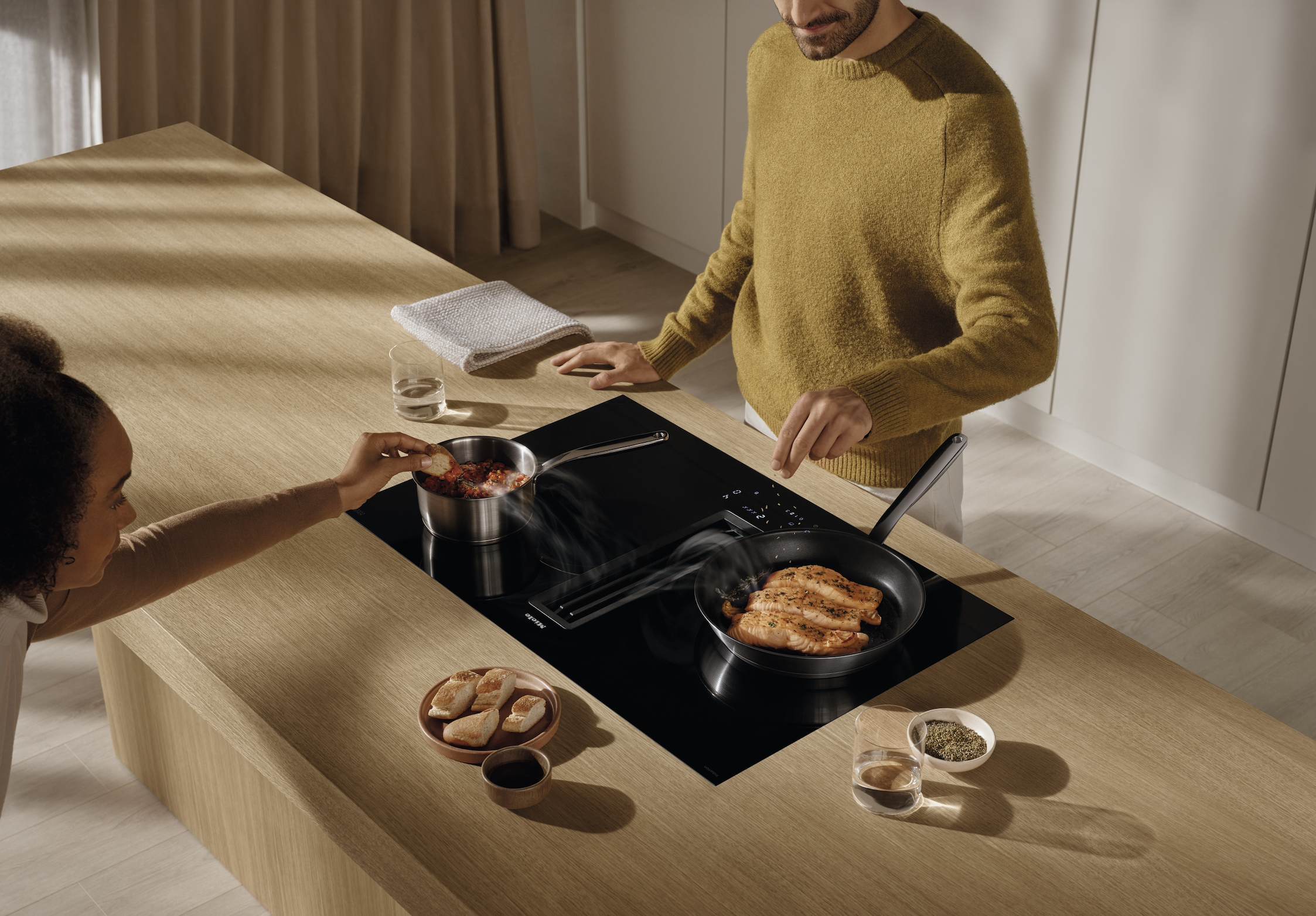
Investing in durability: refrigerators and washing machines top the list
Desire or expectation? According to the survey findings, durability is considered a realistic expectation by 91% of respondents, while 61% regard it as one of their main purchasing expectations. In fact, 97% of respondents say they would be willing to pay more for a home appliance capable of delivering greater durability. Looking more closely at consumers’ willingness to pay above-average prices, provided that a product lasts twice as long as the average, several significant findings emerge. For a refrigerator or washing machine designed to last twice as long as average, 14% of respondents would be willing to pay between 21% and 30% more, while 9% would pay more than 30% extra for a refrigerator. These findings suggest that longevity is assessed in relation to usage intensity and the role a product plays in everyday life: the more central an appliance is to the household, the greater the value consumers attribute to its ability to deliver long-term performance.
But what does durability that justifies an investment actually mean? For 39% of respondents, a lifespan of at least 8–10 years is sufficient, while for half of Italians (50%), the ideal threshold rises to more than 11 years. One in five respondents considers a lifespan of over 15 years to be appropriate.
Innovation and technology only when they deliver practical benefits
In a market characterised by high levels of digitalisation and rapid technological change, the research highlights how many Italians envision the future through a new understanding of technological innovation—one that prioritises tangible and measurable long-term benefits. For respondents, a technology is considered “truly useful” primarily when it reduces energy consumption (59%), extends product lifespan (40%) and reduces maintenance requirements (26%). By contrast, the simple introduction of new functionalities ranks last, at 18%.
Sustainability in home appliances: a responsible choice
Sustainability-related concepts have effectively become part of everyday life, encouraging an increasingly conscious approach to product selection, use and performance.
For more than 8 out of 10 Italians (84%), the most sustainable home appliance is one that does not need to be replaced frequently. Further confirmation comes from combining the findings on long-term durability and expected repairability: 67% of Italians associate sustainability with extending a product’s useful life, followed by energy efficiency at 54%.
Repairability is a key consideration for consumers: 93% consider it important, including 54% who consider it very important. This figure rises to 64% among respondents aged 55–64. For 62% of respondents, the benefits of a long-lasting product are shared equally by people and the environment. Meanwhile, 20% perceive the primary benefit as being for consumers, and 17% for the environment.