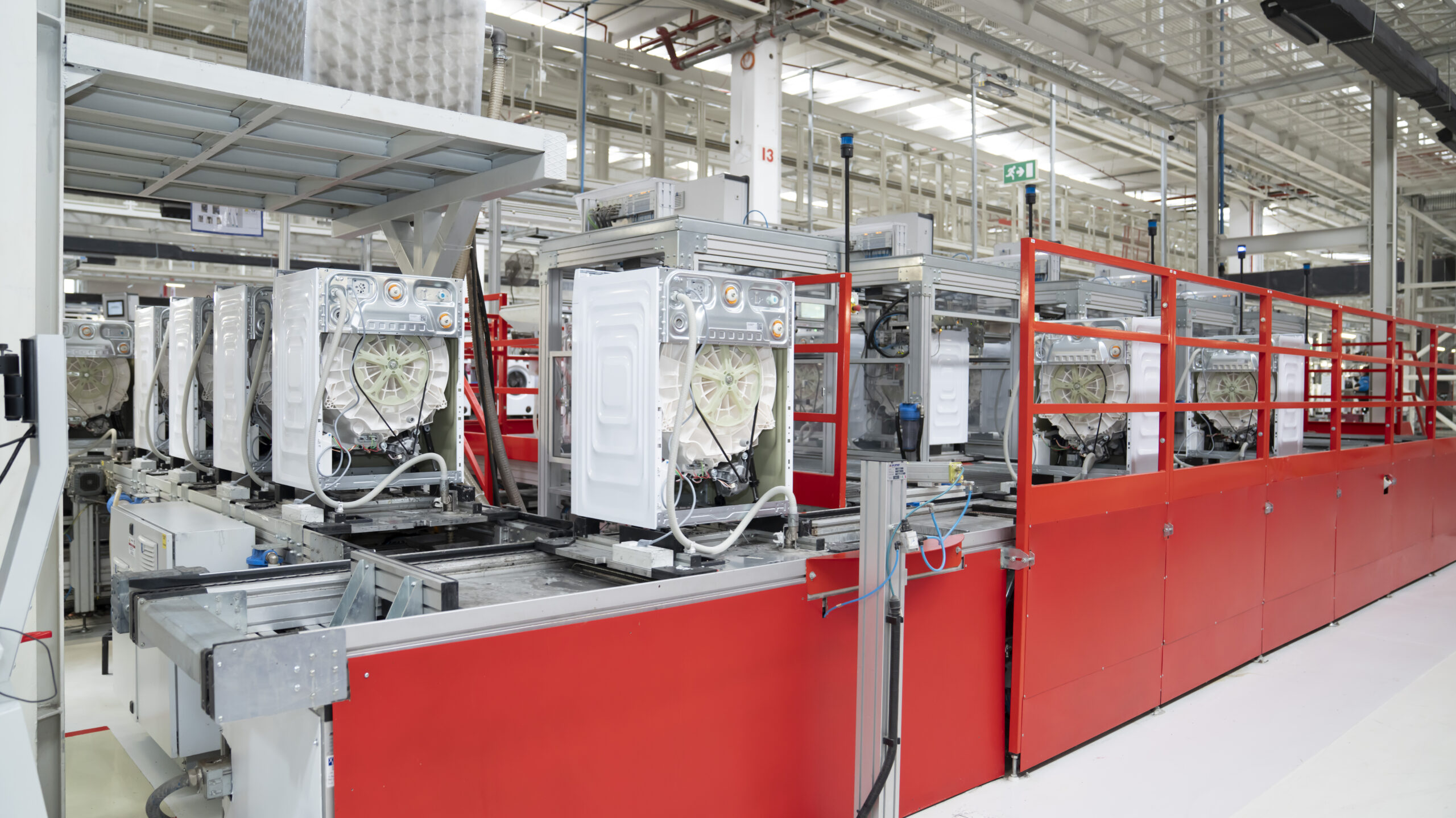
From component production and automated assembly to R&D and quality testing, Beko‘s 92,000 m² facility in Manisa, Turkey, integrates the entire manufacturing process. Following an investment of more than €199 million, the plant now has an annual production capacity of nearly four million washing machines, supplying markets worldwide
Beko’s washing machine plant in Manisa, western Turkey, represents one of the company’s key manufacturing and technology investments within its global production network. Acquired from Whirlpool in 2021, the facility underwent an extensive transformation and expansion programme. The first Beko washing machines rolled off its production lines in 2024, following the progressive commissioning of the renewed manufacturing areas.
Covering 92,000 m², the plant now has an annual production capacity approaching four million washing machines, with one appliance manufactured every six seconds. The company presents Manisa as Europe’s largest washing machine production site, underlining its strategic importance within Beko’s international manufacturing network. Products manufactured here reach 106 countries across Europe, the Middle East, Africa and the Americas.
Components, suppliers and in-house manufacturing
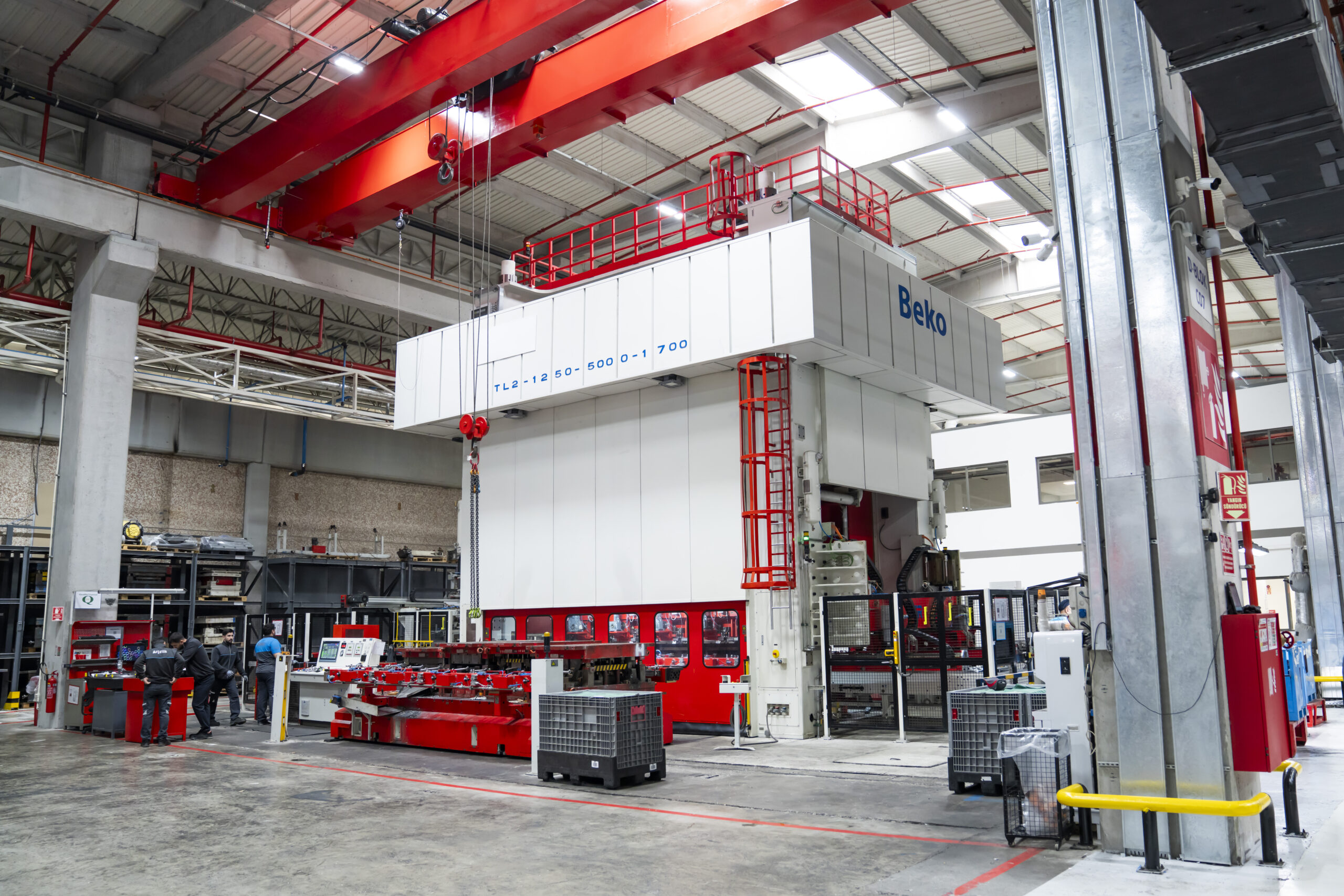
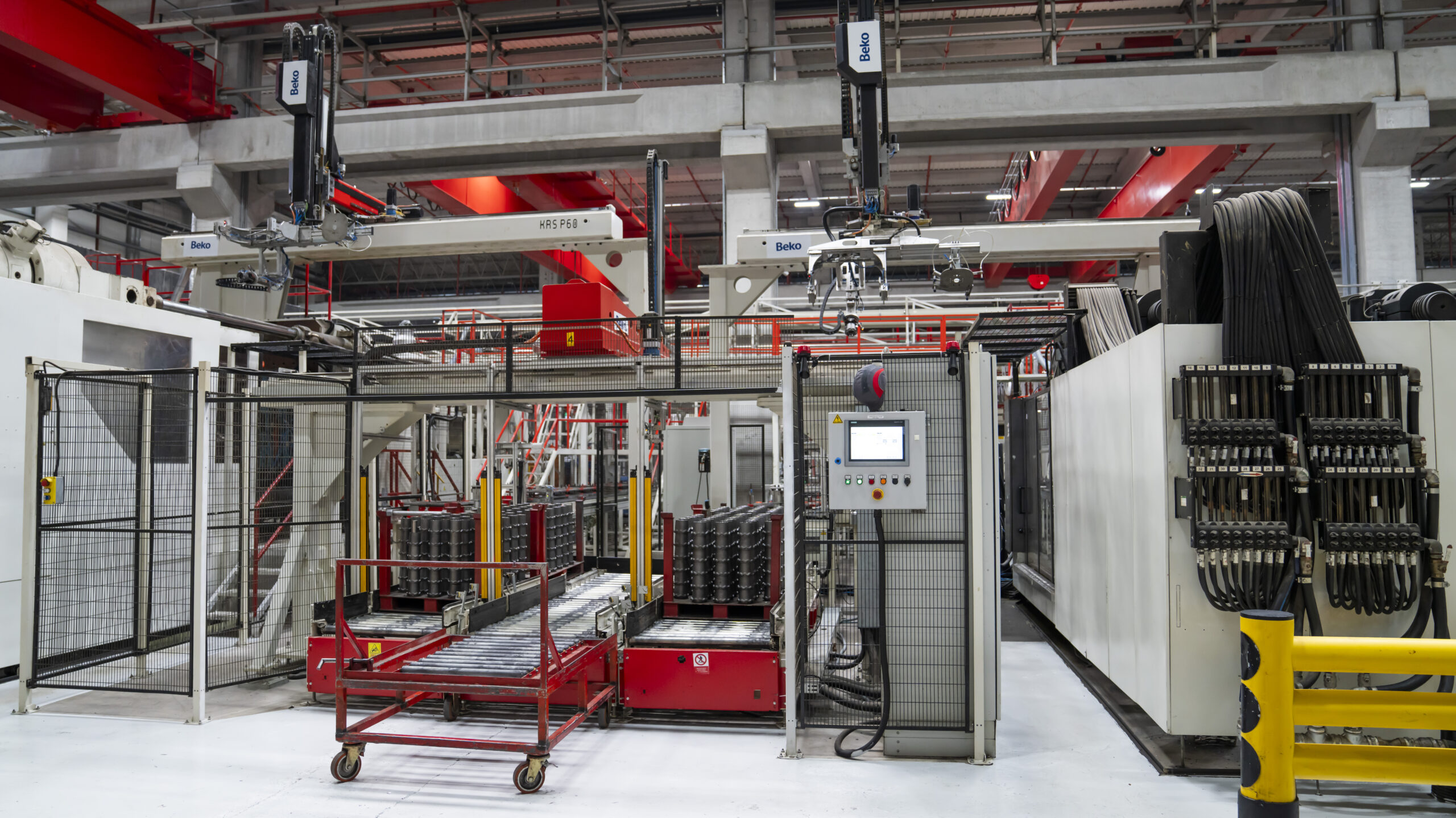
Behind the finished appliance lies a complex production system involving a large number of individual components, different manufacturing technologies and a network of external suppliers, many of them Italian. Alongside this supplier ecosystem, in-house production plays a key role in the plant’s manufacturing strategy. The facility includes dedicated areas for plastic component production and mechanical pressing, as well as automated assembly lines. These operations are interconnected, creating a continuous production flow in which components and materials move between different manufacturing stages. The plastic production area, in particular, highlighted the extent of automation: activities are monitored by supervisors rather than requiring operators to be permanently present at the machines. The same approach can be seen in other highly automated areas, where a small supervisory team oversees extensive production spaces.
Connected production lines and automated quality control
Automation extends beyond individual machines to encompass the entire manufacturing environment. Production lines are connected to central management systems, allowing processes to be monitored and coordinated. Automatic set-up procedures adapt the equipment to the requirements of each product, supporting manufacturing flexibility across different washing machine models.
Quality control is also integrated into the production flow. Vision systems and inspection cameras monitor products as they move along the lines, identifying potential defects. When a problem is detected, the system can stop the process, preventing non-conforming products from progressing to the next manufacturing stage.
The plant also features fully automated production areas, where human intervention is primarily focused on supervision and process monitoring. In one of the areas presented during the visit, just three supervisors oversee approximately 11,000 m² of production space. This illustrates how automation is reshaping the relationship between people and machines: rather than replacing human expertise, technology allows personnel to concentrate on monitoring, quality and process management.
Testing and consumer perspective
Manufacturing efficiency is supported by extensive product validation activities. The plant’s audit laboratory provides facilities for testing washing machines under conditions designed to reproduce those experienced by customers in different markets. Appliances undergo numerous performance and safety checks, including electrical testing, to verify their operation and compliance with the required standards. R&D activities are closely integrated with this approach. Testing considers different fabrics, stains, detergents, water hardness levels, load sizes and washing programmes, while data from connected appliances helps engineers understand consumer behaviour and identify opportunities for product improvement.
Connectivity and artificial intelligence are increasingly important in this process. Through connected products, apps and intelligent energy management functions, Beko aims to make everyday laundry tasks easier while adapting appliance operation to individual needs. AI also accelerates research and development, supporting product modelling, simulation and testing. Its effective application, however, remains closely linked to engineering expertise and the ability to translate technological opportunities into practical consumer benefits.
The technologies showcased in Manisa include SpinPRO, which enhances mechanical washing action to improve detergent activation and water distribution, Beko UltimateWash, Hotpoint FabricCare and Whirlpool AI AdaptiveWash. These solutions demonstrate how shared engineering capabilities can be developed into different product experiences across the company’s brands.
A sustainable production
Resource efficiency is another important element of the plant’s industrial strategy. Production and building management systems are interconnected, enabling continuous monitoring of utilities and operating conditions, including lighting and energy consumption. Even lighting levels are measured and monitored as part of the site’s wider management approach.
A 10.2 MWp solar installation generates electricity equivalent to approximately 46% of the washing machine plant’s annual electricity demand. Improvements to production processes and infrastructure have also reduced direct greenhouse gas emissions by 95% in 2025 compared with the 2023 baseline. Rainwater storage and the facility’s EDGE Advanced certification further reflect the attention given to resource efficiency.
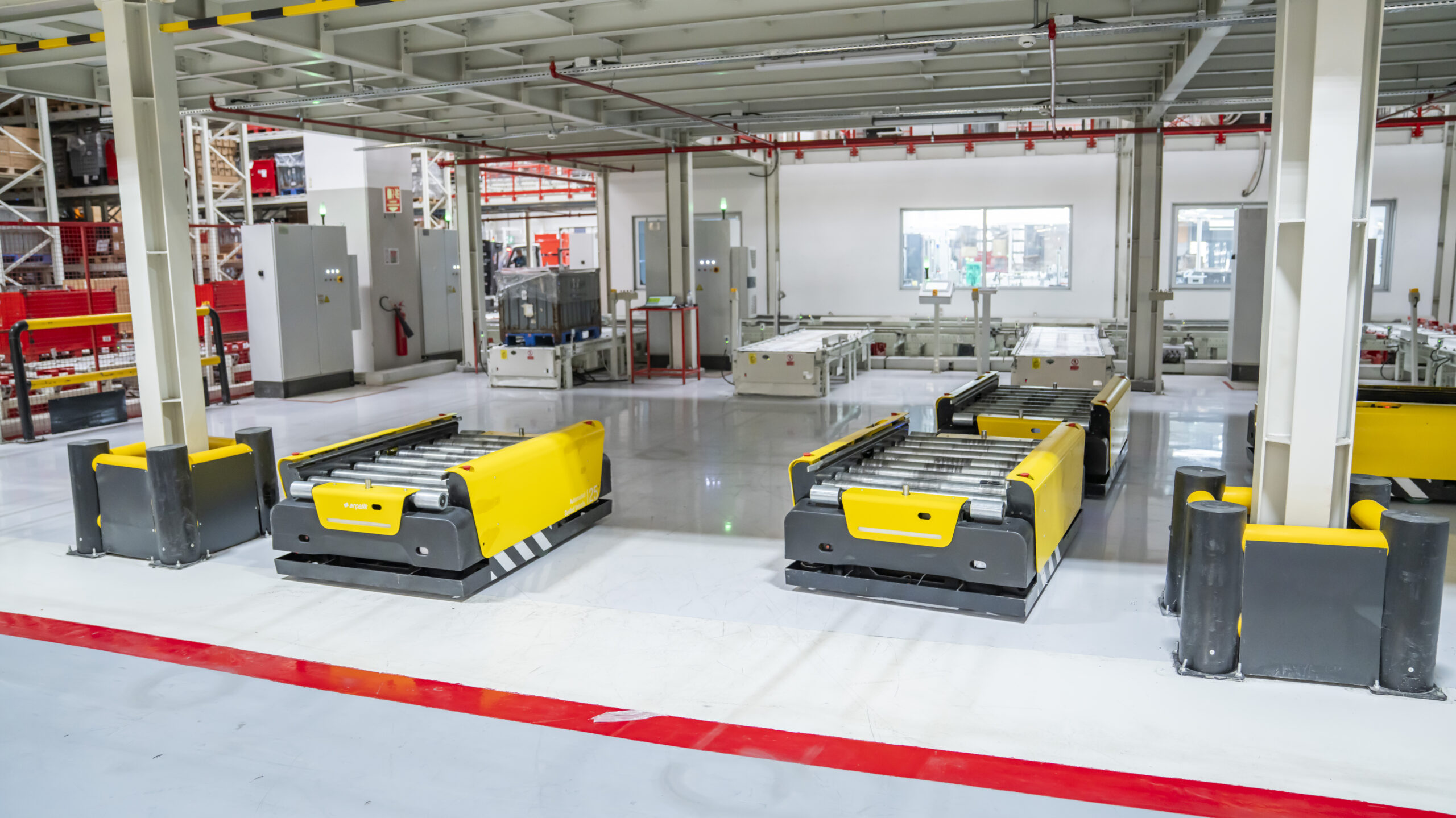
By combining component manufacturing, supplier integration, automated assembly, quality control and product development, Beko’s Manisa plant offers an insight into the complexity of modern washing machine production.
Its approach highlights the importance of connecting industrial processes, digital technologies and human expertise to improve manufacturing performance while developing appliances increasingly responsive to consumer needs.