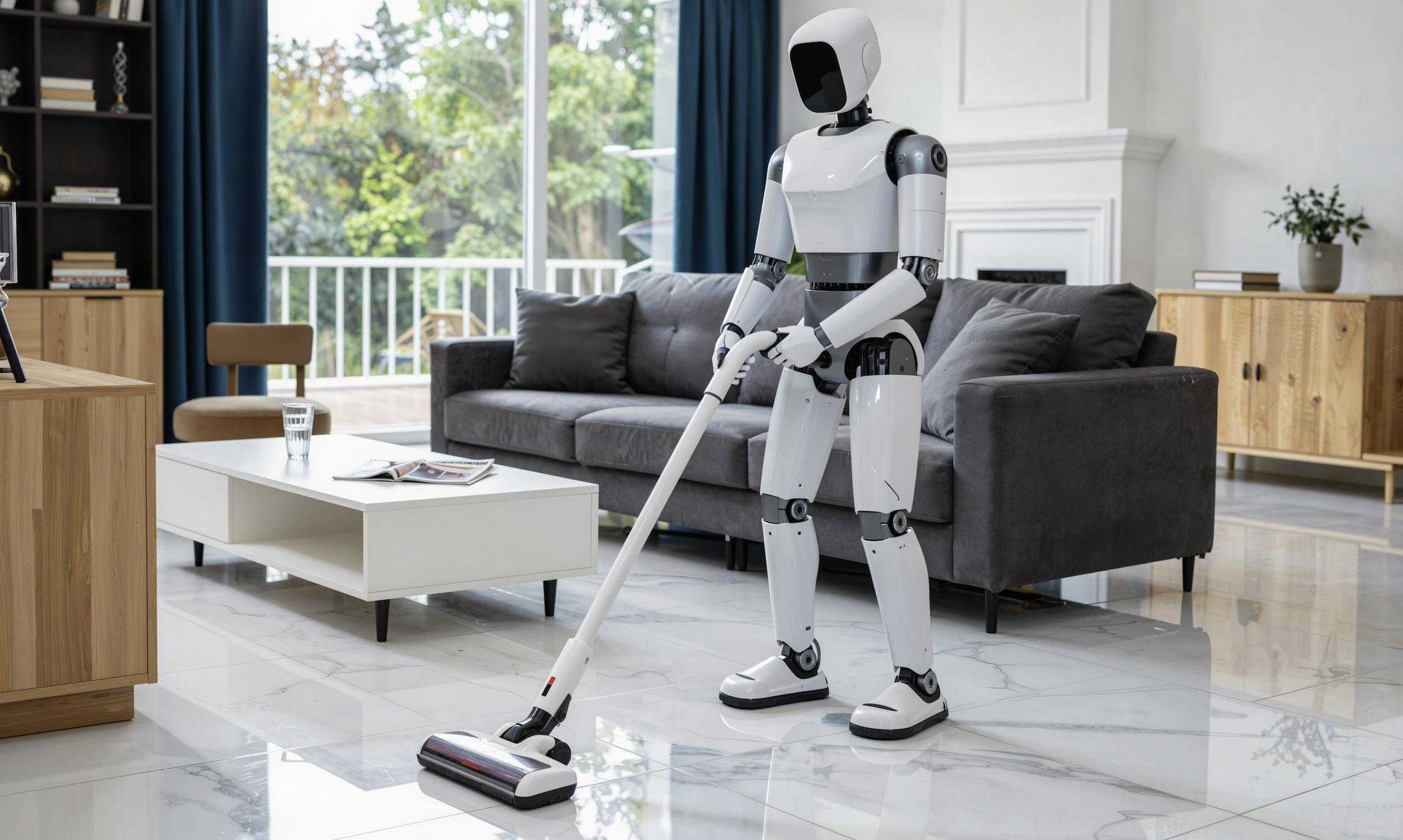
The predictive and cognitive evolution of the home involves the integration of artificial intelligence into next-generation appliances
Article by Dario Gozzi
Artificial Intelligence (AI) has transformed appliances from passive machines to adaptive cybernetic systems. In the near future, the evolution of generative and integrated multimodal AI models will enable increasingly natural interaction, where the home will no longer respond to explicit commands but will anticipate the structural, energy, and logistical needs of its occupants, making daily management invisible and incredibly efficient.
The integration of Artificial Intelligence into household appliances represents a fundamental shift from the era of simple home automation, or “smart home”, based on rigid rules and pre-set scenarios, to the era of the cognitive home, where appliances go beyond simply executing remote commands via Wi-Fi or apps, but process complex data streams in real time to self-optimize, reduce energy consumption, and personalize the user experience. Achieving these goals involves analyzing the technical architecture, enabling technologies, and the engineering and energy implications that are driving the AI revolution in large and small household appliances.
From edge computing to the cloud
To understand how a modern appliance applies AI, it’s necessary to examine its computing infrastructure, which is typically divided into two macro-levels. Edge AI, where processing is performed locally – manufacturers are increasingly integrating advanced microcontrollers (MCUs) and dedicated neural network chips (NPUs – Neural Processing Units) directly onto the appliance’s logic boards, achieving significant advantages such as near-zero latency, guaranteed operation even without an internet connection, and maximum privacy for sensitive user data. Typical applications include offline voice recognition, image processing from internal cameras (for example, from refrigerators or ovens), and security sensor monitoring. Cloud AI and Machine Learning – complex or aggregated data over time is sent to proprietary cloud platforms (such as Samsung SmartThings, LG ThinQ, or Home Connect). In this case, the advantages lie in access to virtually unlimited computing power to train complex machine learning models. Applications include predictive algorithms for maintenance, energy consumption optimization based on the history of the electrical grid, and OTA (Over-The-Air) firmware updates that introduce new software features throughout the product lifecycle.
Enabling technologies: sensors and computer vision
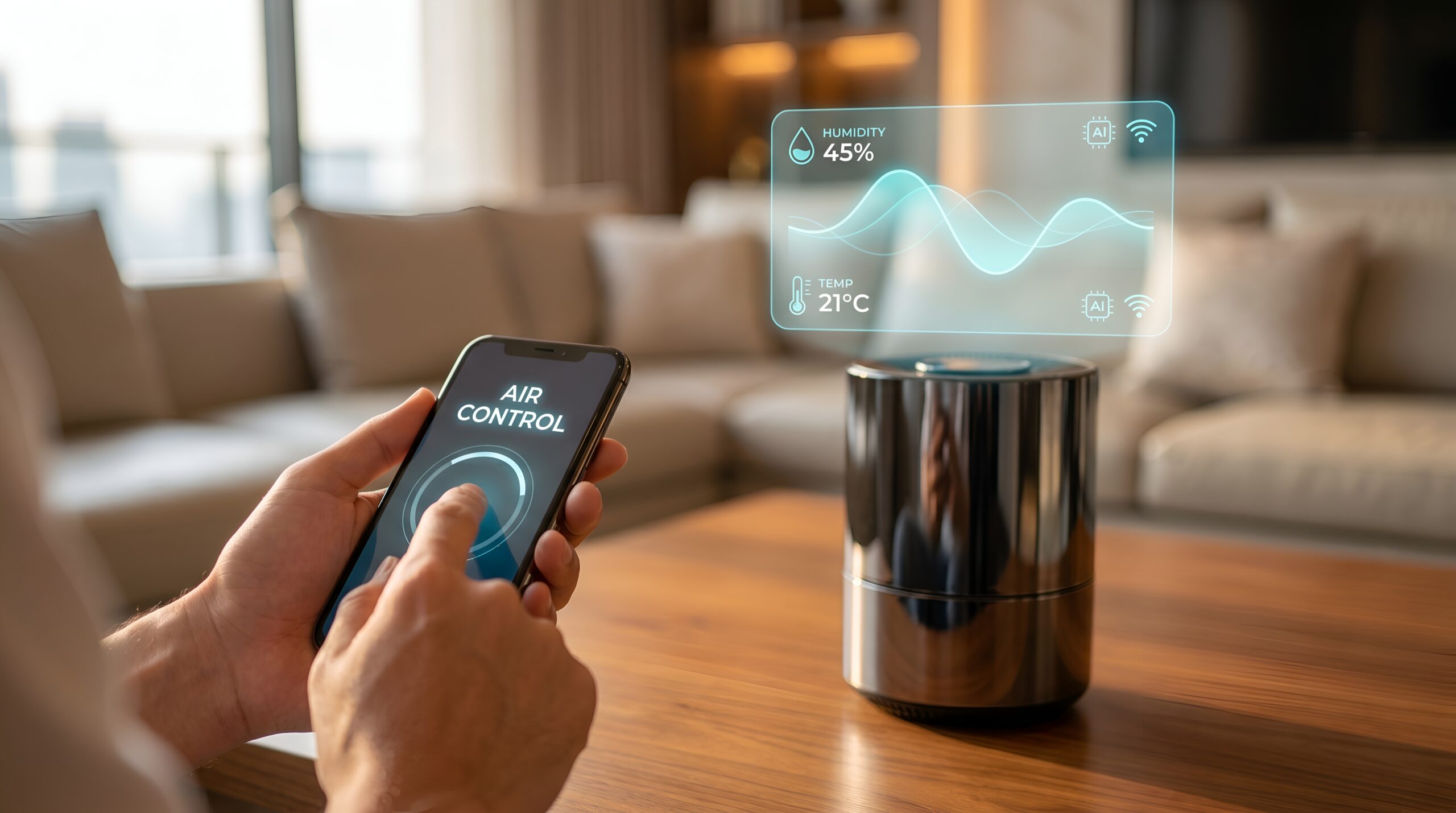
An AI algorithm is only as effective as the data it receives. For this reason, sensors in household appliances have undergone a radical transformation. First, computer vision technology is emerging, with the installation of high-resolution cameras equipped with object detection and image segmentation algorithms inside ovens and refrigerators. Neural networks (often based on CNN – Convolutional Neural Networks) recognize the ingredients inserted, monitor their freshness or cooking level, and adjust parameters accordingly. Spectrophotometric and optical sensors are equally important. Washing machines and dishwashers use water turbidity sensors based on light refraction to determine the level of soiling on dishes or fabrics, calculating the required detergent and cycle duration to the nearest milliliter. The family of vibration and acoustic sensors, composed of microphones and MEMS accelerometers, monitor the resonant frequencies of inverter motors to detect microscopic anomalies, preventing mechanical failures before they occur.
Refrigerators as food management hubs, smart dishwashing, and assisted cooking are among the first beneficiaries of innovative AI-based technologies
AI-powered refrigerators not only cool food, but also, through computer vision and RFID tags (or barcodes) entered into internal databases, track expiration dates, monitoring food inventory and alerting users before they expire. A second unique feature is predictive recipe generation, which uses linguistic models or recommendation algorithms to propose menus based exclusively on available ingredients, reducing food waste. Last but not least, dynamic heat flow management learns family habits (e.g., frequent door opening times) to pre-cool compartments and maintain stable temperatures. For washing machines and dishwashers, the technological heart of the system is AI-driven Direct Drive motors. Direct Drive motors are drive systems in which the motor is directly connected to the load being moved, completely eliminating mechanical transmission elements such as belts, gears, chains, or pulleys. The main advantages of direct drive, where the motor is mounted directly on the back of the drum, are greater energy efficiency as there is no energy loss caused by friction between intermediate components. The absence of moving mechanical parts also drastically reduces noise and vibration (particularly during the spin cycle). Precision is increased and response is instantaneous because there are zero mechanical play and delays in power transfer. All of these leads (at least in theory) to longer life and less maintenance due to the smaller number of components subject to wear.
In terms of programs, the washing machine performs an initial micro-spin to calculate the exact weight of the load and recognize the softness index and type of fabric (e.g., cotton vs. synthetics) based on the resistance applied to the drum. By cross-referencing this data with water hardness, it sets the optimal washing curve, reducing wear and tear on garments by up to 20%.
Modern ovens and induction hobs enable assisted cooking by integrating intelligent thermal probes and deep learning algorithms. For example, when cooking food, AI monitors changes in texture or color of the surface via the internal camera and cuts off the heat exactly before it begins to burn, overcoming the limitations of simple manually set timers.
The influence of predictive algorithms impacts energy efficiency
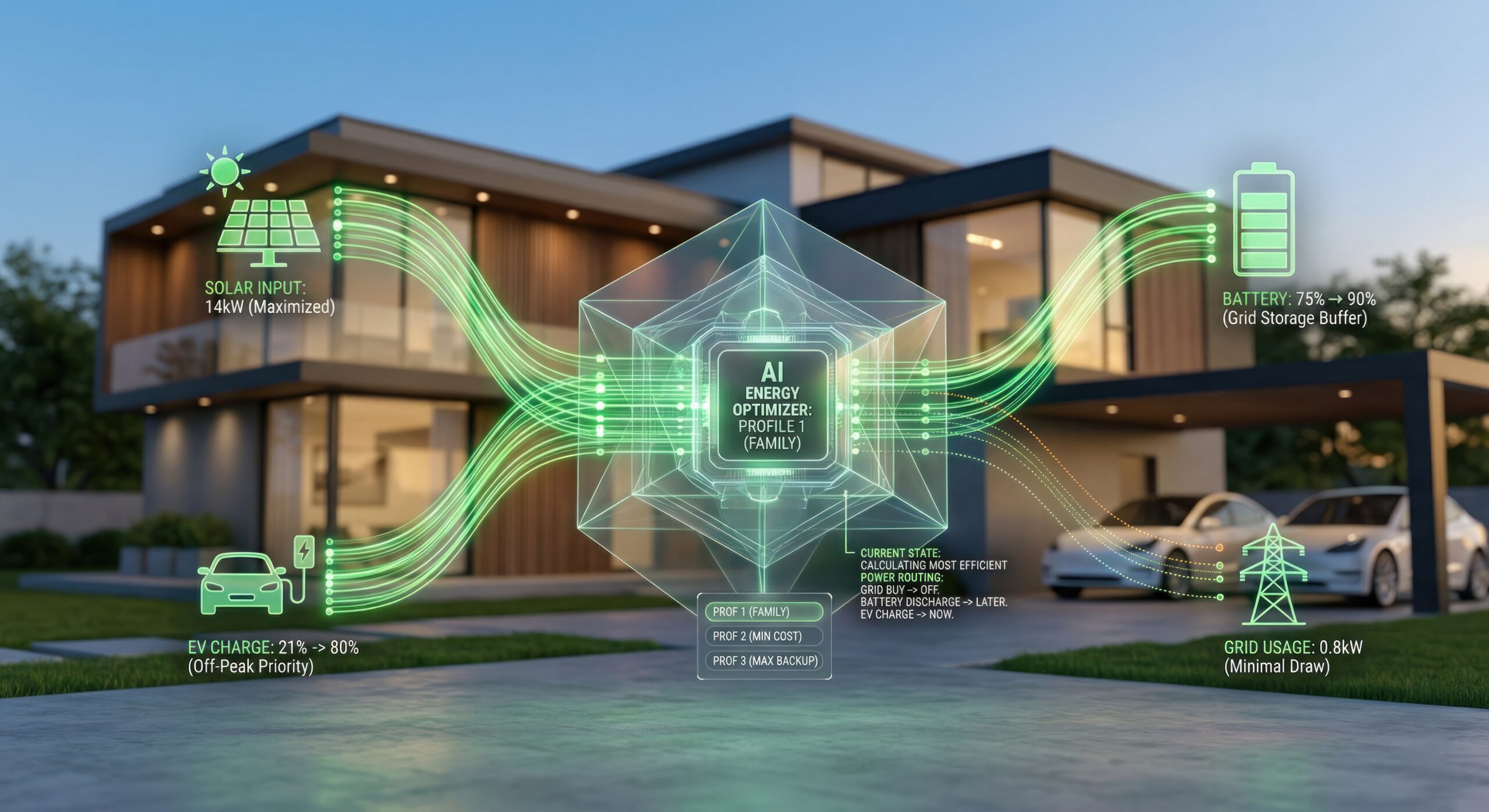
The true engineering value of AI applied to household appliances lies in sustainability. With the introduction of dynamic electricity rates and smart grids, AI-powered appliances act as active nodes in the energy system. Household appliances communicate with the smart meter based on demand-response and peak-shaving strategies. Both technologies modify the operation of devices based on electricity availability and cost, but operate according to different logics. Demand-response is a two-way communication system in which the appliance communicates with the energy supplier to adjust its consumption on demand in real time. Essentially, the grid operator sends a digital signal to the smart appliance during times of critical peak demand, and the device automatically responds by modifying its operating cycle.
Peak-shaving is a local containment strategy aimed at cutting or “shaving off” the maximum peaks in power consumption within the home. It typically works locally through a home automation energy management system or a battery-storage system (BESS). In this case, the appliance prevents multiple high-consumption devices from operating at full power simultaneously. These appliances support SG Ready (Smart Grid Ready) protocols. For example, an AI washing machine or water heater can autonomously decide to postpone the start of a high-consumption cycle by a few hours to take advantage of peak production from the home photovoltaic system or the most convenient hourly rates from the utility company.
Even in these cases, predictive maintenance has a positive impact; instead of intervening after a breakdown, performance deviations of the appliance (e.g., a slight increase in power consumption from a freezer compressor) are analyzed to notify the user of the need to clean the filters or call a technician, thus extending the product’s life cycle (Life Cycle Assessment).
Zero Trust architecture
Despite the benefits, the development of AI-powered home appliances faces significant engineering challenges. Until recently, the ecosystem was fragmented by proprietary protocols. The universal connectivity standard Matter (supported by major technology players) is solving this problem, allowing appliances from different brands to share telemetry data within the same local network, benefiting the overall intelligence of the home.
A connected home appliance, equipped with cameras or microphones, is a potential access point for cyberattacks. The current challenge lies in implementing dedicated cryptographic chips (Secure Elements) and adopting Zero Trust security architectures at the firmware level.
Zero Trust security architecture is a strategic cybersecurity model based on the fundamental principle of “never trust, always verify.” Unlike traditional “perimeter” security (which protects the network’s edges and considers everyone within it to be secure), the Zero Trust approach assumes that threats are already within the network. As a result, every single request to access a file, device, or application is blocked, analyzed, and authenticated, regardless of whether it comes from inside or outside. Perimeter security based on firewalls and VPNs is now obsolete due to the spread of smart working and the migration of services to the cloud. Zero Trust addresses these needs by directly protecting identity and data, eliminating the very concept of a “secure network.” Every connection attempt is validated in real time with explicit verification, evaluating the user’s identity, geographic location, device status, and the type of resource requested. Users and devices receive only the permissions strictly necessary (minimum privilege) to perform their specific task, also limiting the duration of access.
Security is designed based on the assumption that an attacker has already gained access (hypothesis of breach). Therefore, resources are isolated to limit damage. To translate these principles into a real infrastructure, coordinated tools and processes are used, such as multi-factor authentication, which requires multiple verification methods before granting access. Micro-segmentation, which divides the network into many small, independently protected zones, prevents malware from moving freely from one component to another. Endpoint checks are in place to monitor their health before connecting them to sensitive data. End-to-end encryption protects all data both in transit over the network and when stored on servers.